Proper data center cabling improves network reliability, airflow, and maintenance efficiency.
Structured cabling makes future expansions and upgrades easier.
Professional installation, testing, and documentation are essential for long-term performance.
Data centers depend on reliable connections to keep critical systems operating. Whether you're building a new facility, expanding an existing network, or upgrading outdated infrastructure, your cabling system plays a major role in performance and reliability. At Nantze Inc., we understand that data center cabling requires more than simply connecting equipment. It takes careful planning, precise installation, and infrastructure designed to accommodate future growth.
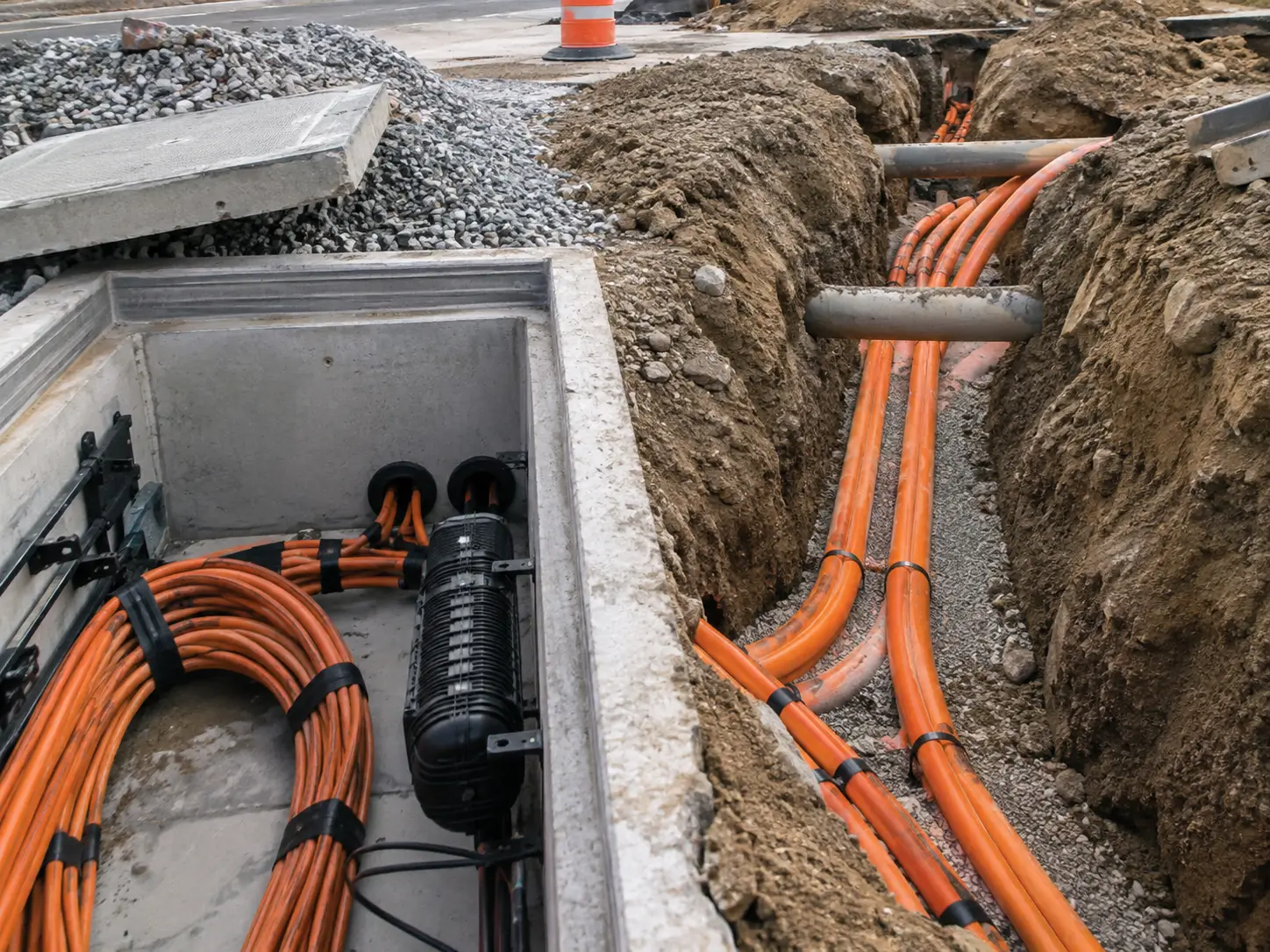
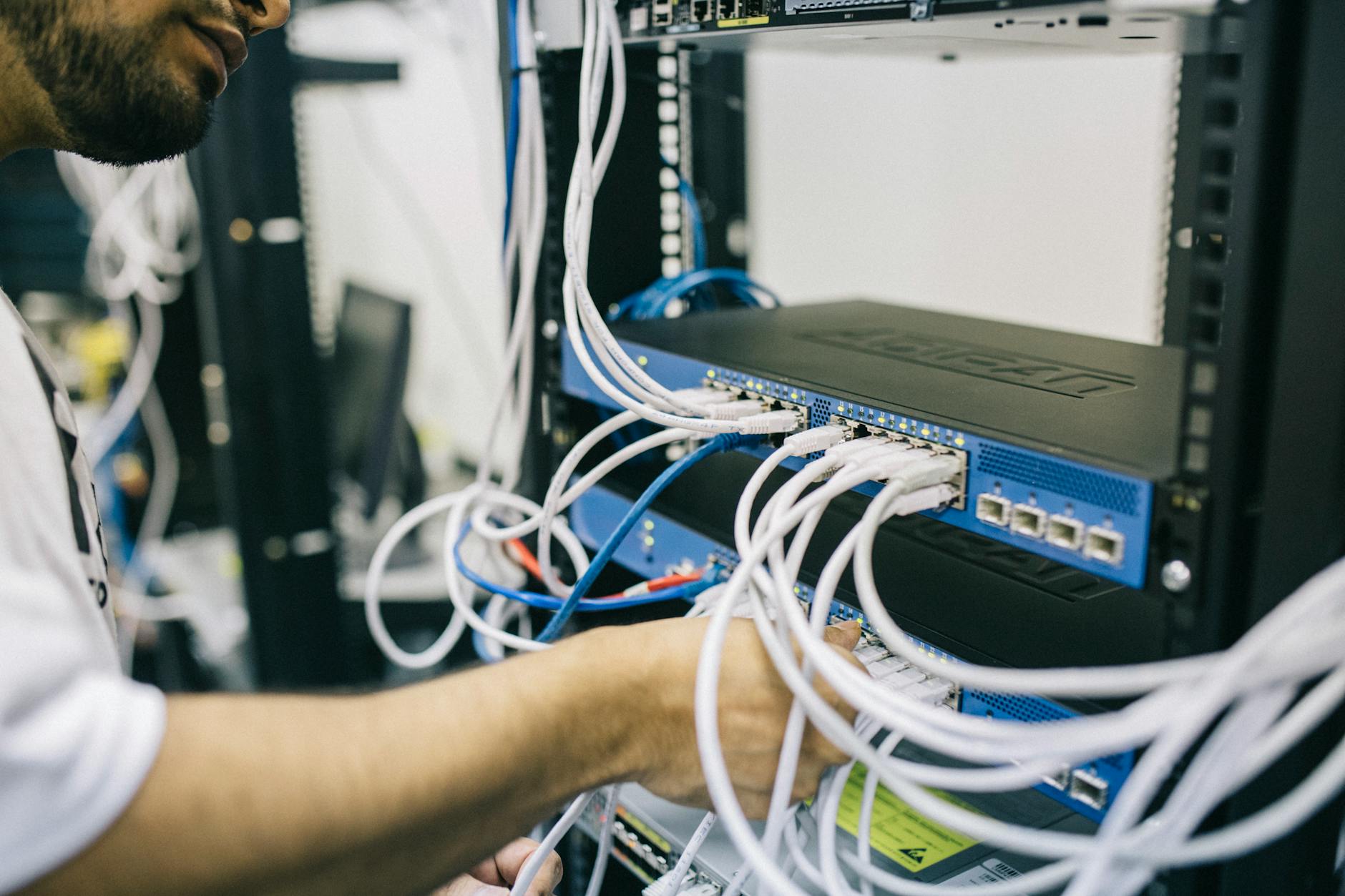
A well-designed data center begins with an organized cabling layout. Without a structured approach, cables can quickly become difficult to manage, creating challenges when troubleshooting, upgrading equipment, or expanding capacity. Structured cabling establishes designated pathways, connection points, and distribution areas that help keep your infrastructure organized. It also makes it easier for technicians to identify connections and perform maintenance without disrupting unrelated systems.
Fiber optic and copper cabling both serve important roles in modern data centers. Fiber is commonly used for high-bandwidth connections and longer distances, while copper remains a practical solution for shorter connections and certain equipment requirements.
The right combination depends on your facility's equipment, bandwidth needs, distances, and future expansion plans. Nantze Inc. brings the experience needed to install dependable cabling infrastructure for demanding commercial and industrial environments.
Poorly organized cables can create more than an inconvenience. Excessive cable congestion can obstruct airflow, complicate maintenance, and increase the risk of accidental disconnections. Effective cable management includes properly sized pathways, organized cable trays, appropriate bend radii, and clearly labeled connections. By keeping cabling organized and accessible, your facility can support more efficient cooling and simplify ongoing maintenance.
Your data center's infrastructure shouldn't limit your ability to grow. As equipment changes and network demands increase, you may need additional connections, greater bandwidth, or expanded equipment capacity. Planning for expansion during the initial installation can help reduce future construction costs and operational disruptions. Providing adequate pathway capacity, accessible connection points, and room for additional cabling can make future upgrades significantly easier.
Even professionally installed cabling needs proper testing before being placed into service. Fiber optic installations may require insertion-loss testing and other verification methods, while copper cabling should be tested against applicable performance standards. Accurate labeling and documentation are equally important. Detailed records help your maintenance team locate connections, troubleshoot problems, and plan future upgrades without unnecessary guesswork.
Your data center is only as dependable as the infrastructure supporting it. Nantze Electric provides professional electrical and cabling installation services for commercial and industrial facilities, with a focus on reliability, organization, and long-term performance. Whether you're planning a new data center or upgrading an existing facility, our experienced team can help you build infrastructure designed for your operational needs. Contact us to discuss your data center cabling project.
Most modern data centers use a combination of fiber optic and copper cabling. The ideal configuration depends on bandwidth requirements, connection distances, and equipment compatibility.
Structured cabling improves organization, simplifies maintenance, and makes it easier to expand or modify network infrastructure.
There isn't a universal replacement schedule. Cabling should be evaluated when equipment changes, bandwidth requirements increase, or existing infrastructure no longer meets performance needs.