
A successful data center layout must account for power distribution, cooling, cable management, equipment access, redundancy, security, safety, and future growth.
Working with an experienced contractor helps ensure the space is designed and built correctly from the beginning.
The right contractor can help prevent costly mistakes, reduce downtime risks, improve efficiency, and create a data center environment that supports reliable long-term performance.
Data centers are the backbone of modern business operations. These facilities must be designed with reliability and performance in mind. Even a small layout mistake can create major issues, including overheating, power limitations, poor cable organization, restricted access, and unnecessary downtime.
An experienced data center contractor understands how all parts of the facility work together.
Layout decisions affect electrical systems, mechanical systems, cooling performance, fire protection, security, and maintenance access. Every component needs to be positioned with purpose. A contractor who understands these requirements can help create a layout that is efficient, safe, and scalable.
Power planning is one of the most important parts of data center layout. Servers, switches, storage systems, and backup equipment require consistent power. An experienced contractor can help coordinate everything from electrical service to backup power systems. This helps reduce the risk of overloaded circuits, inefficient wiring, or future electrical upgrades that could have been avoided with better planning.
Cooling is another critical factor. Data center equipment generates significant heat, and poor layout can make cooling systems work harder than necessary. Proper rack orientation, airflow planning, hot aisle and cold aisle design, and equipment spacing all play a role in maintaining stable temperatures. An experienced contractor can help design the space so cooling is not an afterthought, but a core part of the layout.
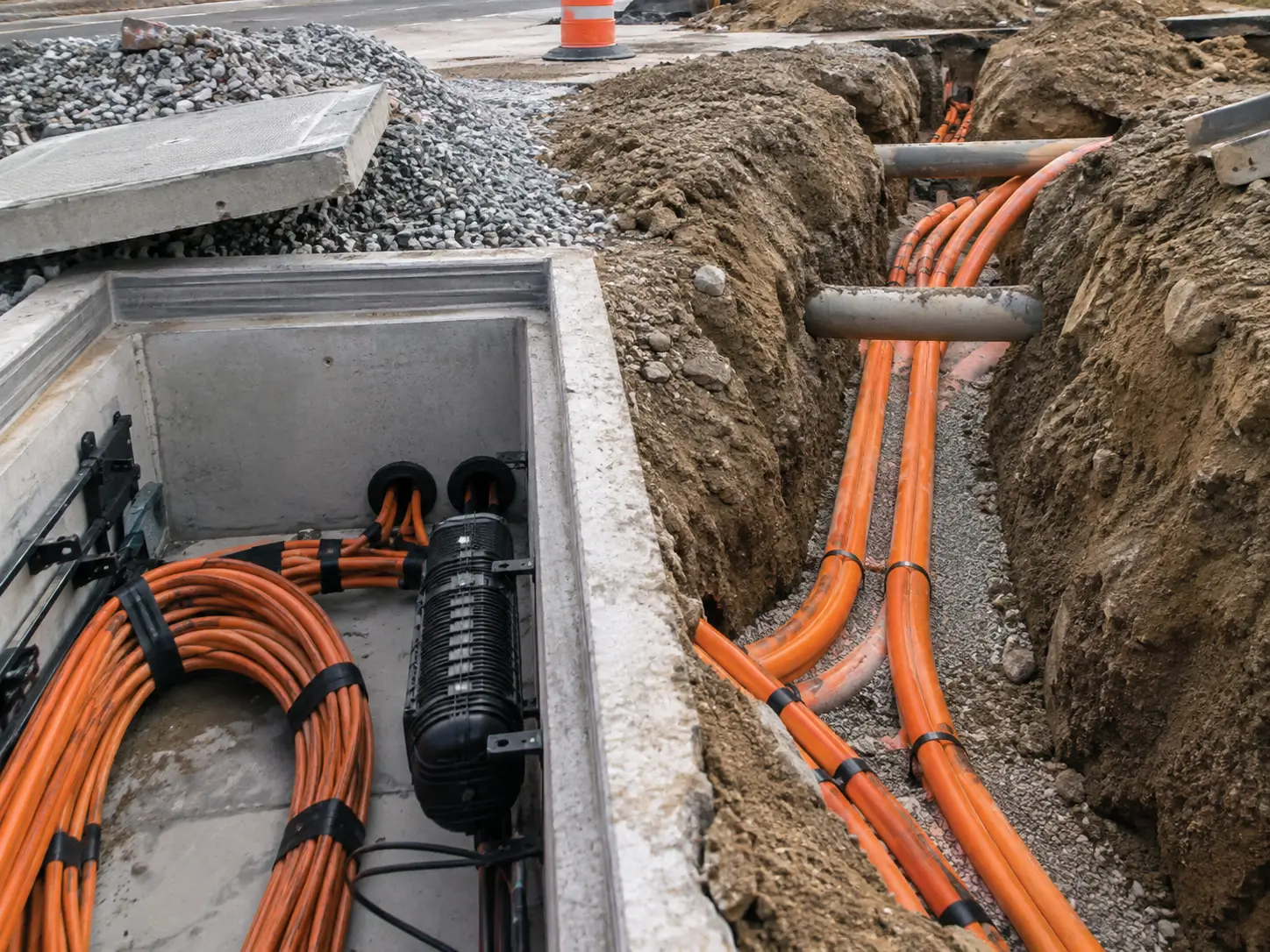
Cable management is also essential. Without a clear plan, data centers can quickly become cluttered and difficult to maintain. Proper cable trays, pathways, labeling, separation, and access points make future troubleshooting and upgrades much easier. A clean layout also reduces the risk of accidental disconnections and improves airflow throughout the space.
Experienced contractors also understand the importance of service access and future expansion. Data centers are rarely static. Equipment changes and new technologies are added over time. A good layout leaves room for maintenance, upgraded power systems, and expanded cooling capacity. Planning for future growth from the beginning can save significant time and money later.
Safety and compliance should also be considered throughout the project. Data center layouts may need to account for building codes, electrical codes, fire suppression requirements, emergency access, equipment clearances, and security standards. An experienced contractor can help ensure the installation meets applicable requirements and supports safe ongoing operation.
Ultimately, hiring an experienced contractor for data center layout is about reducing risk. The right contractor brings practical knowledge and experience to a complex environment. Instead of simply building around equipment, they help create a facility that is organized, efficient, and ready to support your business as it grows.
Data center layout is too important to leave to guesswork. From power planning and cooling coordination to cabling, equipment access, and future expansion, Nantze Electric Co. understands what it takes to support reliable data center infrastructure. Contact Nantze Electric Co. today to discuss your data center project and partner with a contractor who can help build it right from the start!
Data center layout affects cooling, power distribution, equipment access, cable management, safety, and long-term performance. A poor layout can lead to downtime, higher operating costs, and difficult maintenance.
Key considerations include power capacity, cooling design, rack placement, airflow, cable pathways, redundancy, security, fire protection, and room for future expansion.
Rack orientation, equipment spacing, and airflow patterns all impact cooling efficiency. Poor layout can create hot spots and force cooling systems to work harder.
Proper cable management improves organization, simplifies troubleshooting, supports airflow, and reduces the risk of accidental disconnections during maintenance.
An experienced contractor should be involved early in the planning process. Early input helps prevent design issues, coordinate systems correctly, and avoid costly changes during construction.