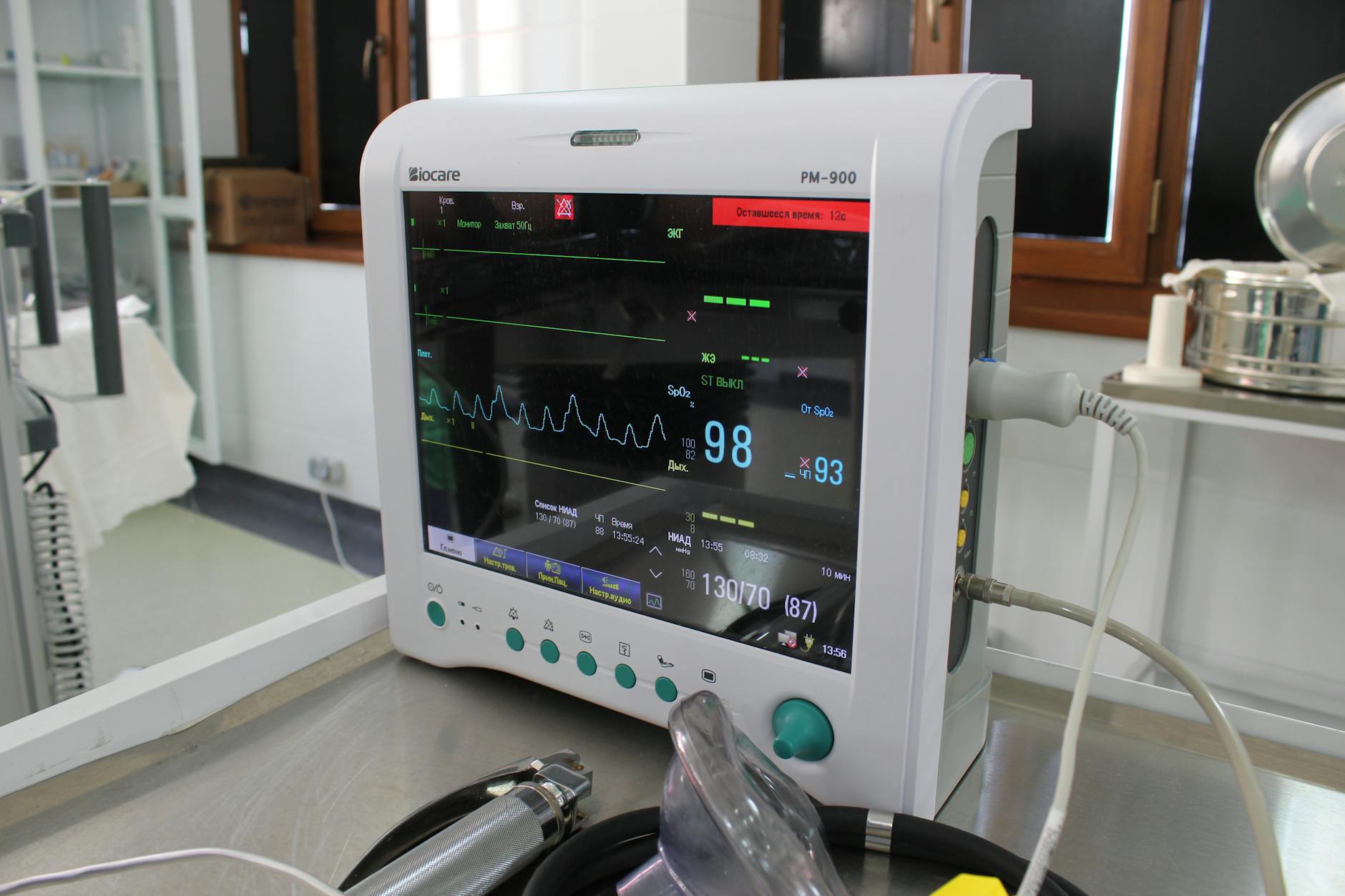
In a hospital or medical center, there’s no room for error when it comes to connectivity. Every patient record, imaging file, nurse call system, and piece of monitoring equipment relies on a strong and reliable data and telecom backbone. When systems go down, it can directly impact patient care.
At Nantze Electric, we understand that healthcare facilities operate in a high-stakes environment. That’s why proper data and telecom design is more than a technical consideration. It’s a critical component of patient safety and operational efficiency.
Hospitals depend on reliable data and telecom systems for patient care and safety.
Poor infrastructure design can lead to downtime, compliance risks, and operational delays.
Medical environments require specialized planning for redundancy and scalability.
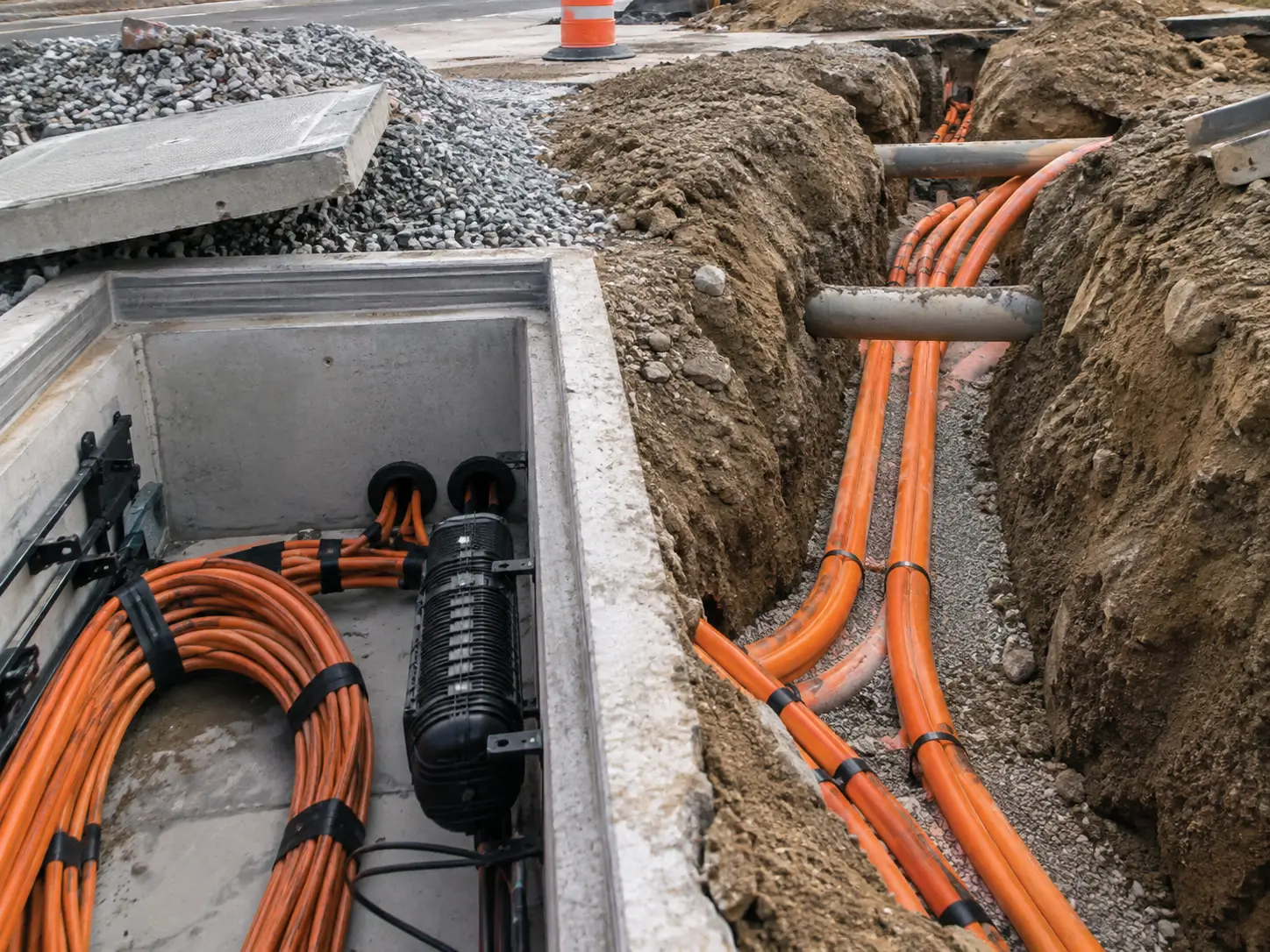
Structured cabling, fiber optics, and secure networks are mission-critical.
Nantze Electric brings the experience and precision healthcare facilities demand.
Modern medical facilities run on technology. Electronic Health Records (EHR), VoIP phone systems, real-time patient monitoring, telehealth platforms, imaging systems, and security networks all depend on carefully designed infrastructure.
Without proper planning, facilities can experience:
Network congestion that slows down access to patient data
Insufficient bandwidth for imaging and diagnostic equipment
Dead zones affecting communication between staff
Limited scalability as departments grow
In healthcare, seconds matter. A well-designed data and telecom system ensures doctors, nurses, and administrators have instant access to the information they need.
Hospitals can’t afford downtime. That’s why redundancy is a key part of proper telecom design. Backup pathways, failover systems, and properly segmented networks reduce the risk of a single point of failure.
When we work with hospitals and medical centers, we plan for:
Redundant fiber pathways
Backup power integration
Secure network segmentation
Future capacity for additional equipment and departments
Our goal is to build infrastructure that performs consistently — even under peak demand or unexpected circumstances.
Healthcare facilities face strict regulatory standards related to data privacy and system security. Infrastructure must support secure data transmission and protect sensitive patient information.
At Nantze Electric, we collaborate closely with facility managers, IT teams, and project stakeholders to ensure installations align with compliance requirements. From properly labeled structured cabling to secure equipment rooms and clean, organized rack builds, every detail matters.
We don’t just install cable — we design systems with long-term performance, documentation, and maintainability in mind.
Medical technology continues to evolve. Imaging files are larger. Telemedicine usage is growing. Connected devices are increasing throughout facilities. Infrastructure designed five years ago may already be nearing capacity.
That’s why we approach every healthcare project with scalability in mind. Whether it’s allowing for additional fiber strands, extra rack space, or higher bandwidth capabilities, we design systems that can grow alongside your facility.
In healthcare, infrastructure is more than wires and equipment — it’s the foundation of patient care. At Nantze Electric, we design and build data and telecom systems you can trust when it matters most. Contact us today to learn more!
Healthcare environments are complex. Construction timelines are tight. Infection control standards must be maintained. Coordination with multiple trades is essential.
Our team at Nantze Electric brings the experience, planning, and precision required for these demanding projects. We understand the importance of working efficiently, safely, and with minimal disruption to patient care areas.
When you partner with us, you’re getting more than installers — you’re getting a team that understands the responsibility behind every cable run and every connection.
Hospitals require higher reliability, redundancy, and security than standard commercial buildings due to the critical nature of patient care and data protection.
Electronic health records, imaging systems, nurse call systems, VoIP phones, Wi-Fi networks, patient monitoring equipment, and security systems all depend on strong telecom design.
Proper planning with redundant pathways, backup power integration, and scalable network design significantly reduces the risk of outages.
Yes. With proper design and forward planning, upgrades can be implemented with minimal downtime and disruption.