
If you’re upgrading your internet, expanding to a new building, adding security cameras, or tying multiple systems together, there’s a good chance someone has said, “We need to run fiber.” And they’re right; fiber optic cable is the backbone of fast, reliable connectivity. But here’s the catch: fiber is only as good as the installation.
So what should you actually expect from a professional fiber optic cable installer, and how do you know you’re hiring the right team? Let’s break it down in plain English.
A professional installer performs a detailed on-site walk-through before quoting.
They help you choose the right type and count of fiber for current and future needs.
Installation is clean, protected, and code-conscious.
Terminations, splicing, and labeling are done with precision.
The work is tested and verified so performance is guaranteed.
An experienced contractor like Nantze Electric ensures long-term reliability, not just a quick install.
A professional installer doesn’t quote fiber like it’s a one-size-fits-all product. They’ll start by looking at your site: where the equipment lives, how the building is laid out, what pathways exist for cable, and how your network will actually be used.
Nantze Electric takes this step seriously because it prevents surprises later, like discovering there’s no clean route between your MDF and IDF closets, or that the “simple” run needs a core drill, conduit, or a safer pathway to avoid interference and damage.
Not all fiber is the same. You’ll usually hear terms like single-mode and multi-mode, plus different counts like 2-strand, 6-strand, 12-strand, or more. A professional fiber optic cable installer should explain what fits your distance, bandwidth needs, and future growth without drowning you in jargon.
Nantze helps clients choose the right cable for today and tomorrow, so you’re not paying twice when you add a new switch, expand a network closet, or connect an additional building.
Fiber shouldn’t be draped like extension cords. A professional crew routes it correctly through tray, conduit, innerduct, or other appropriate pathways, protecting it from pinch points, sharp bends, heat, and high-traffic areas.
This is where an experienced electrical contractor makes a huge difference. Nantze Electric understands jobsite standards, safety, and the infrastructure side of installation—meaning you get a clean, durable build that looks professional and holds up over time.
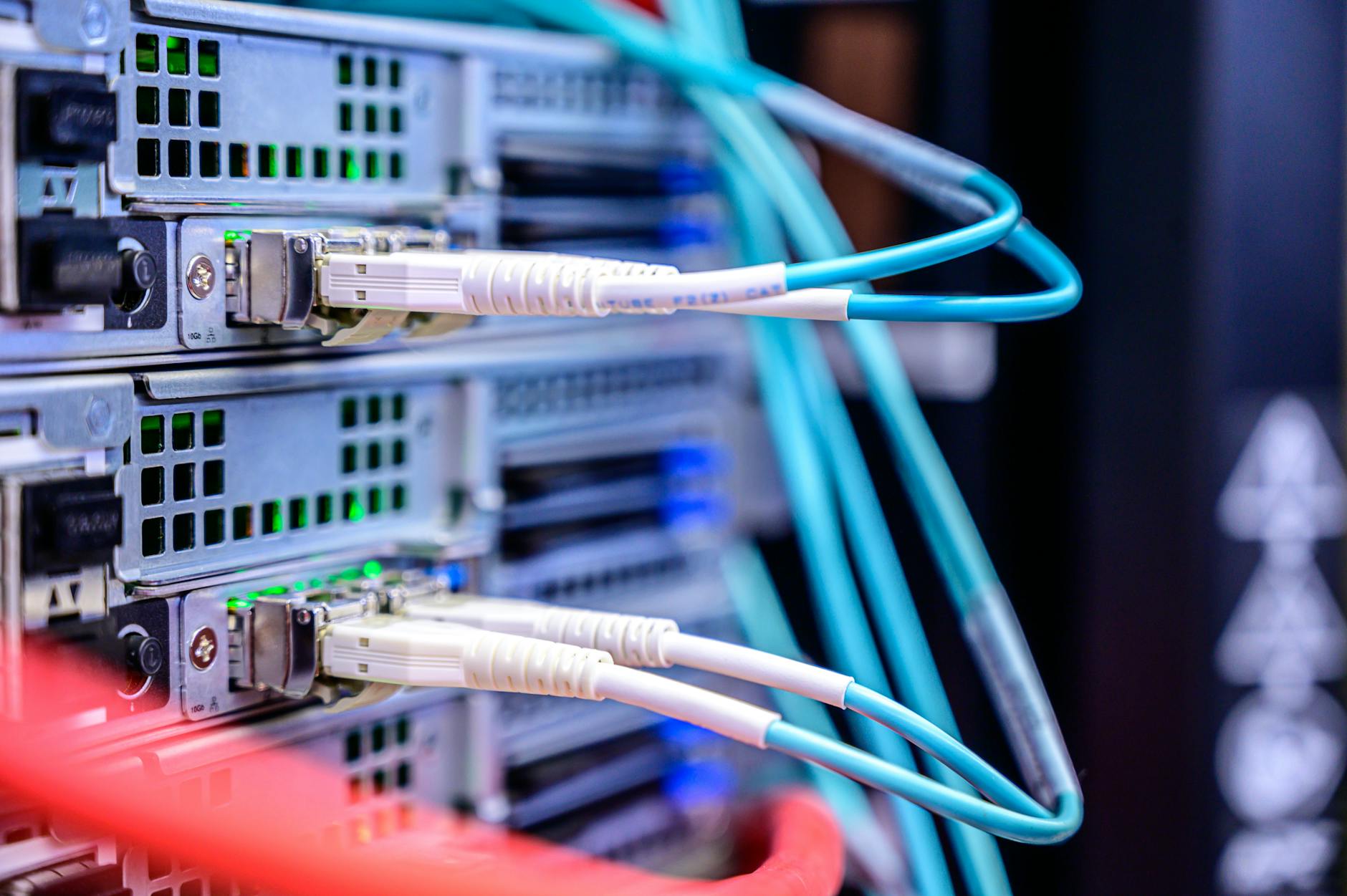
Fiber work requires precision. Terminations must be done correctly, connectors must be clean, and splices must be protected. And just as important: everything should be labeled so your IT team (or future vendor) isn’t guessing which strand goes where.
Nantze’s approach is simple: do it right, document it well, and make it easy to service later.
This one is non-negotiable. A professional fiber optic cable installer tests the run and verifies performance. You shouldn’t have to “find out later” that a connection is marginal, a splice is dirty, or a bend radius was violated somewhere in the ceiling.
Nantze builds confidence into the process by validating the install so your network performs the way it’s supposed to: stable, fast, and reliable.
Fiber isn’t just a cable, it’s infrastructure. You want a team that understands construction environments, electrical standards, and how to install low-voltage systems with long-term reliability in mind. Nantze Electric brings that expertise, along with the professionalism you expect: clear communication, clean workmanship, and a job done the right way the first time.
If your business depends on uptime (and it does!) working with Nantze isn’t just a smart choice. It’s the safe one.
It depends on distance, building layout, and pathway complexity. A simple interior run may take a day, while multi-building or underground projects may take several days. A professional installer will give you a clear timeline after a site walk-through.
Single-mode fiber is typically used for longer distances and higher bandwidth applications. Multi-mode is common for shorter distances within buildings. The right choice depends on your current needs and future expansion plans.
Often, yes, especially in commercial environments. Conduit protects the fiber from damage and ensures compliance with electrical codes. Your installer should recommend the proper pathway based on your building and application.
A professional installer performs proper testing and verification. You should receive confirmation that the cable meets performance standards before the project is considered complete.
An experienced electrical contractor like Nantze Electric understands jobsite safety, building infrastructure, code requirements, and long-term reliability. That expertise makes a major difference in quality and durability.
Your business will change. New employees, new doors, new equipment, maybe even a new location. The best time to plan for that is before installation. Nantze Electric builds systems that can scale, providing support when you need upgrades, troubleshooting, or expansions.
Secure business operations don’t happen by accident. With the right commercial security system installation — and a partner like Nantze Electric who understands real facilities — you can protect what you’ve built and keep your business moving forward.